Fueling the Smart Receptacle
Electronic locks, Wi-Fi antennas, barcode scanners, and security cameras demand consistent electrical power. Because a smart mailbox is typically situated far away from standard 120V household outlets, providing this power requires careful planning. An unpowered smart mailbox quickly becomes a locked metal brick.
Consumers currently have three distinct paths for powering their curbside units: permanent hardwiring, high-capacity battery packs, and integrated solar arrays. Each method presents unique advantages and logistical hurdles.
Hardwired Systems: Ultimate Reliability
Hardwiring is the gold standard for powering any outdoor electronic appliance. In this scenario, low-voltage direct burial wire (often standard landscape lighting wire or ethernet cable carrying Power over Ethernet - PoE) is trenched across the yard from the house directly to the concrete pad of the mailbox.
The primary advantage of hardwiring is absolute reliability. You will never need to worry about replacing a dead battery in a snowstorm. Hardwired units can support constant video streaming and active heating elements for climate-controlled package storage. The disadvantage is the installation barrier. Trenching a wire across a manicured lawn, navigating tree roots, and boring through foundation walls often requires hiring professional contractors, significantly increasing the total cost of ownership.
Battery-Powered Units: Maximum Flexibility
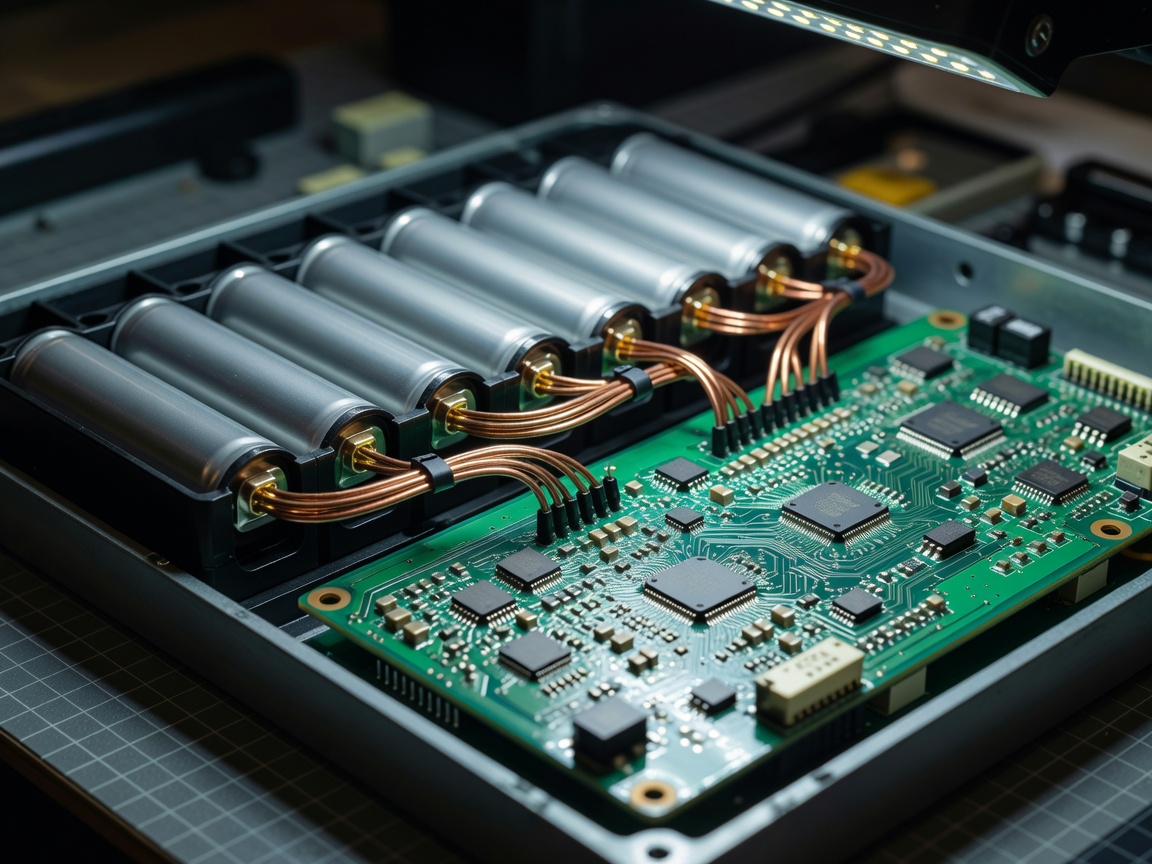
To cater to the DIY market and renters, many smart mailboxes operate entirely on rechargeable lithium-ion battery packs. These systems are incredibly easy to install, requiring zero electrical work. You simply bolt the unit to the ground, insert the battery, and it powers on.
Battery-powered systems rely on aggressive power management. They spend 99% of their time in a deep sleep state, waking up only when the internal motion sensor detects a physical interaction with the drop door or keypad. Due to this optimization, a single charge can last anywhere from three to six months under normal conditions.
However, extreme weather drastically impacts battery chemistry. Extended periods of sub-zero temperatures can reduce lithium-ion efficiency by up to 50%, requiring much more frequent recharging cycles during the winter months. To mitigate downtime, owners should invest in a secondary hot-swappable battery pack, ensuring the mailbox is never without power while the primary battery charges indoors.
Solar-Powered Integration
An elegant middle ground is solar integration. Many battery-operated mailboxes can be augmented with a small, weather-resistant solar panel mounted to the top surface or a nearby post. The panel provides a continuous trickle charge to the internal battery.
When placed in a location receiving at least three to four hours of direct, unobstructed sunlight per day, a solar-equipped mailbox can theoretically operate indefinitely without ever needing to be manually recharged. This eliminates the hassle of trenching wires while completely negating battery anxiety.
The drawback is environmental dependency. If your property is heavily shaded by ancient oaks, or if you live in a region that experiences prolonged overcast winters, the solar array may fail to generate enough current to offset the power draw of the electronic locks and Wi-Fi pings, eventually leading to a depleted battery.
Choosing the Right Power Source
Your decision should be based on property geography and specific feature requirements. If you desire a unit with continuous 24/7 video recording or active refrigeration for grocery deliveries, you have no choice but to trench a hardwired connection. If you simply want a secure drop box with keypad entry and text notifications, a battery-powered unit, optionally bolstered by a solar panel, offers an excellent balance of convenience, low upfront cost, and reliable performance.