The Importance of the Connection
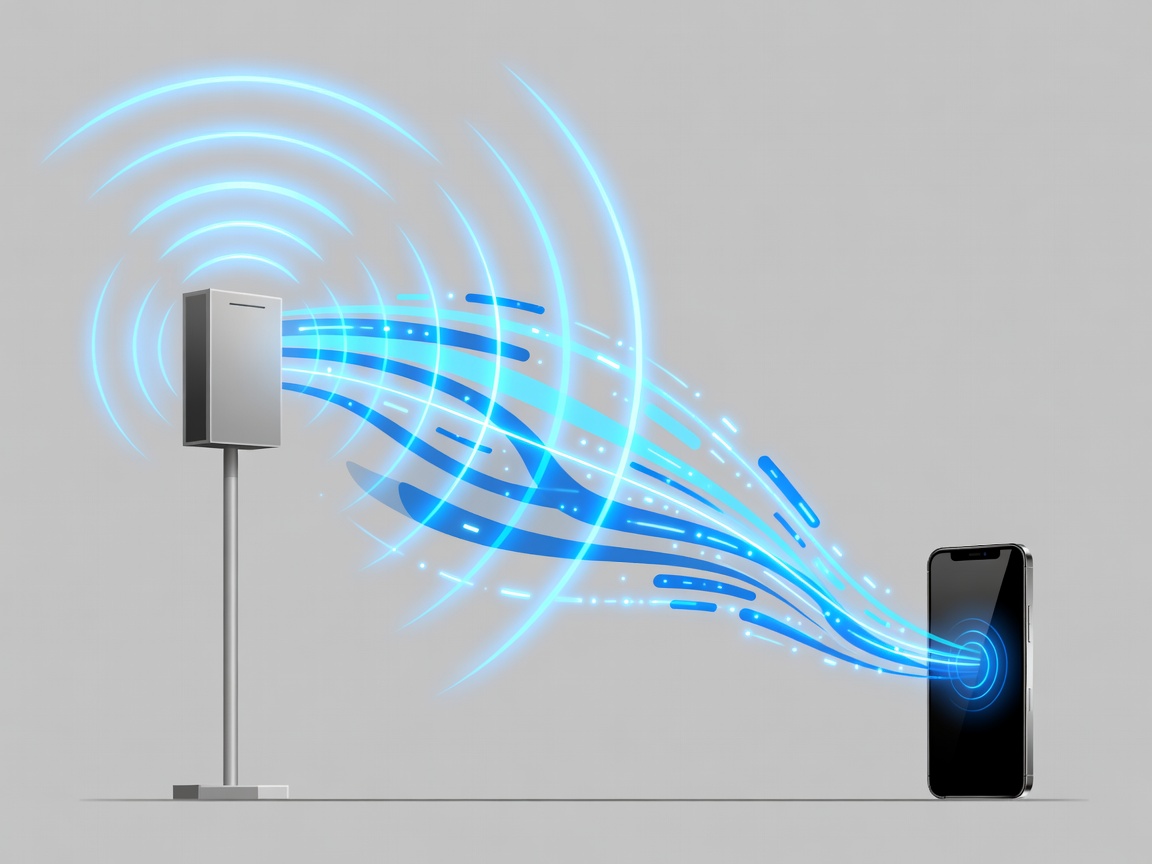
The defining characteristic of a "smart" mailbox is its ability to communicate. Without a reliable data connection, these advanced lockboxes devolve into standard, albeit highly secure, steel containers. The connectivity architecture dictates how quickly you receive delivery notifications, how reliably you can issue remote unlock commands, and whether security cameras can stream live video to your devices.
Selecting the right connectivity protocol depends entirely on the location of your mailbox relative to your home network infrastructure. Let us examine the primary connection standards used in the industry today.
Wi-Fi: High Bandwidth, Limited Range
Most consumer smart mailboxes rely on 2.4GHz Wi-Fi networks. The 2.4GHz band is preferred over 5GHz because lower frequencies penetrate exterior walls, brick, and landscaping much more effectively. Wi-Fi offers excellent bandwidth, allowing for high-definition video streaming from the mailbox's integrated security camera straight to your smartphone.
However, range is the primary limitation. A mailbox situated at the end of a long suburban driveway may sit 100 feet or more from the home's primary router. If the signal is too weak, the mailbox will experience battery drain as it constantly struggles to reconnect, leading to delayed notifications. Upgrading your home network with an outdoor mesh node or a directional Wi-Fi extender is often necessary to blanket the curb in a strong signal.
Bluetooth and Local Bridge Networks
To overcome Wi-Fi range limitations while maintaining low power consumption, some systems utilize Bluetooth Low Energy (BLE) or proprietary sub-gigahertz bridge networks. In this setup, the mailbox communicates via radio frequency to a small "bridge" hub plugged into an outlet inside your front hallway. This indoor hub connects to your Wi-Fi.
Because low-frequency radio waves travel significantly further than standard Wi-Fi, this is an excellent solution for mailboxes located far down a driveway. The drawback is bandwidth; these bridge networks are generally incapable of streaming video, restricting their data payload to simple text notifications, lock commands, and temperature sensor readouts.
Cellular/LTE Options for Remote Driveways
For rural properties, gated estates, or commercial facilities where the mailbox is miles from the main building, Wi-Fi and bridge networks are entirely useless. Cellular-connected smart mailboxes solve this by incorporating embedded SIM cards and communicating over standard LTE or 5G/IoT networks.
Cellular connections are incredibly robust and independent of home internet outages or power failures. If your home Wi-Fi goes down, a cellular mailbox remains fully operational, securing your packages and alerting your phone. The obvious caveat is cost. Maintaining an active SIM connection typically requires a recurring monthly subscription fee, unlike Wi-Fi systems which leverage your existing internet connection.
App Integrations and Smart Home Ecosystems
A smart mailbox is controlled via a dedicated mobile application, which serves as your command center. A high-quality app should allow you to generate permanent PINs for family members, temporary codes for specific delivery carriers, and review historical logs of every time the box was opened.
Furthermore, interoperability with existing smart home ecosystems is highly desirable. Modern units are beginning to adopt universal standards like Matter, allowing them to integrate natively with centralized dashboards. This enables advanced automation sequences—for example, programming your porch lights to flash green the moment a package is deposited, or having your smart speaker announce "You have mail" inside the living room.
Offline Fallback Modes
A critical consideration is what happens when the internet connection fails entirely. If your router dies, you still need access to your mail. The best smart mailboxes feature offline fallback modes, utilizing a local Bluetooth handshake with the owner's smartphone or retaining localized memory of administrative PIN codes on the keypad, ensuring you are never locked out of your own property.